News

Want to heat and cool your Clackamas, home, reduce your carbon footprint, and simplify your HVAC setup—all at the same time?

Nobody wants a problem with their furnace—but even the most efficient systems have to be replaced at some point.
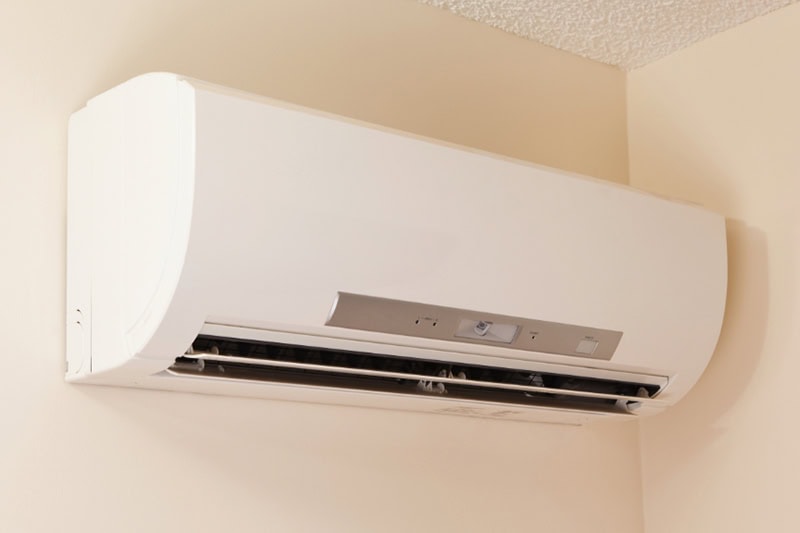
They’re called ductless mini splits because they don’t require ductwork and consist of two main components—a compact indoor air handler and an outdoor compressor—connected by refrigerant lines. This “split” design allows for efficient, targeted heating and cooling in specific areas.

According to the U.S. Department of Energy (DOE), replacing your decade-old unit could save you up to 50 percent on your monthly utility bill.
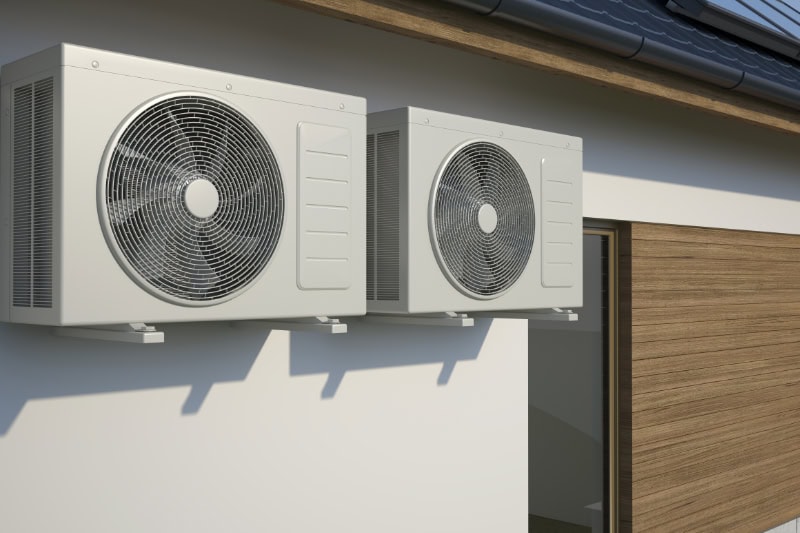
According to the U.S. Department of Energy, central air conditioning systems have a service life of approximately 15 to 20 years.
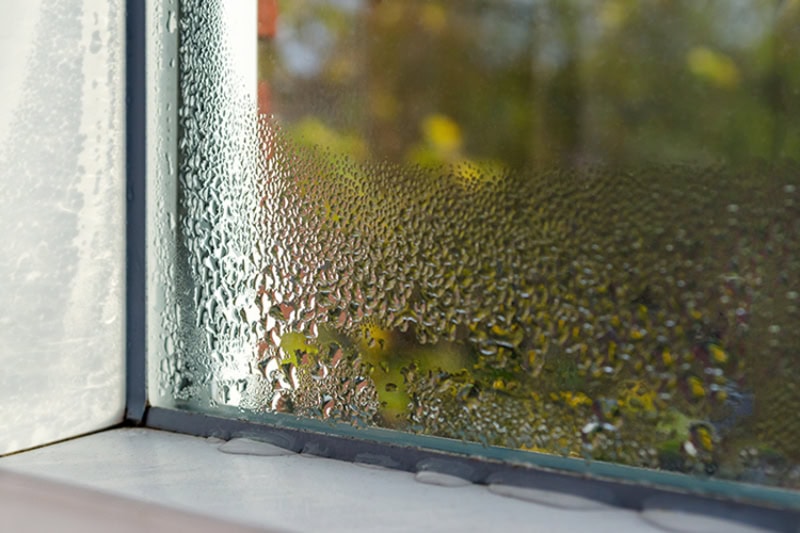
Everyone knows temperature plays a vital role in comfort and indoor air quality (IAQ).

Your air conditioner (AC) can do several things––keep your Oregon home’s indoor air cooler than outdoor temperatures, help to keep indoor airborne allergens at bay, and help keep your home’s humidity low. But one thing it can’t do is kill mold.
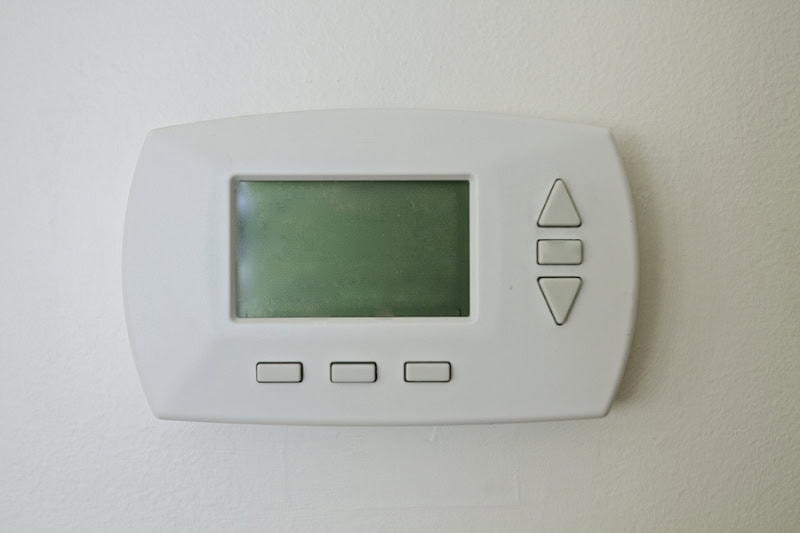
Is this a serious issue—does it mean your furnace, heat pump, or air conditioning is broken? Not necessarily. In fact, most of the time, it is something minor and can be easily fixed!

Going ductless offers flexible, energy-efficient heating and cooling without the need for bulky ductwork. It’s ideal for individual room control, home additions, and older homes where installing ducts isn’t practical.
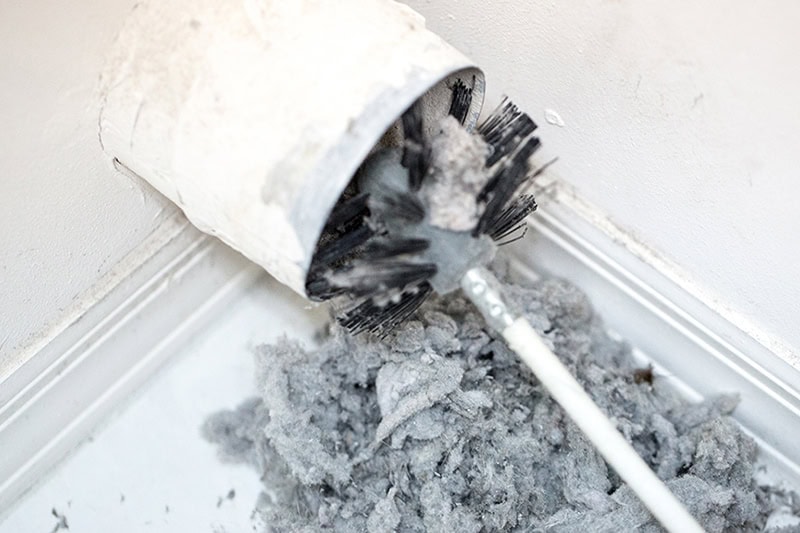
Failure to clean. Those words should never describe dryer upkeep in your Oregon home.