News

So, your trusty AC or furnace has finally thrown in the towel. You start researching replacement options and keep running into this thing called a heat pump. It sounds high-tech, maybe even futuristic—but what is it, and more importantly, how do you know what size heat pump you actually need? Choosing the right size is…
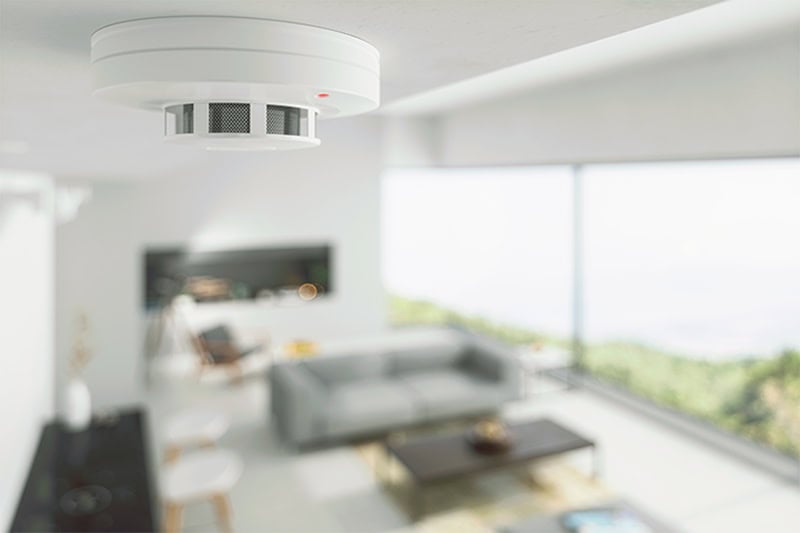
Carbon monoxide (CO) poisoning is known as the silent killer for a reason—it can easily go undetected and cause illness and even death. It’s critical to learn how to prevent carbon monoxide leaks in your home—as well as what the symptoms of carbon monoxide poisoning are in case you are exposed.…

A dusty home can feel frustrating, especially when you’ve just cleaned every surface, only to see dust settling again the next day. Your AC should help keep the air clean, so when dust keeps coming back, it’s natural to wonder whether something’s wrong. In most cases, your AC isn’t “broken.” Instead, hidden issues inside your…

Ever feel like Goldilocks when it comes to being comfortable at home? Always feeling too hot or too cold and never just right? The cause may surprise you: the size of your air conditioner. Choosing the right air conditioner isn’t just about brand or features—it’s also about size. And no, we’re not talking about the…
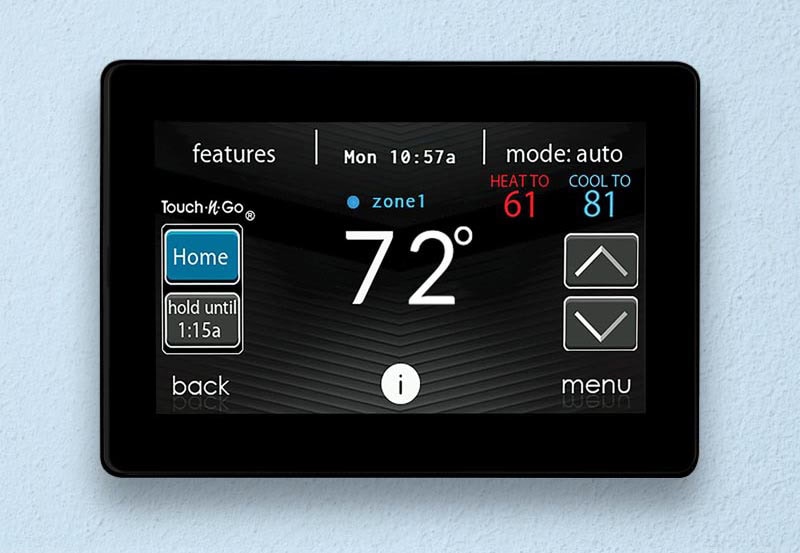
When the temperatures start climbing, and the sun means business, your AC isn’t just a luxury; it’s your home’s MVP. But before the real summer heat rolls in, it’s worth asking: is your system ready to keep up? The good news is you don’t need to be an HVAC expert to give your unit a…
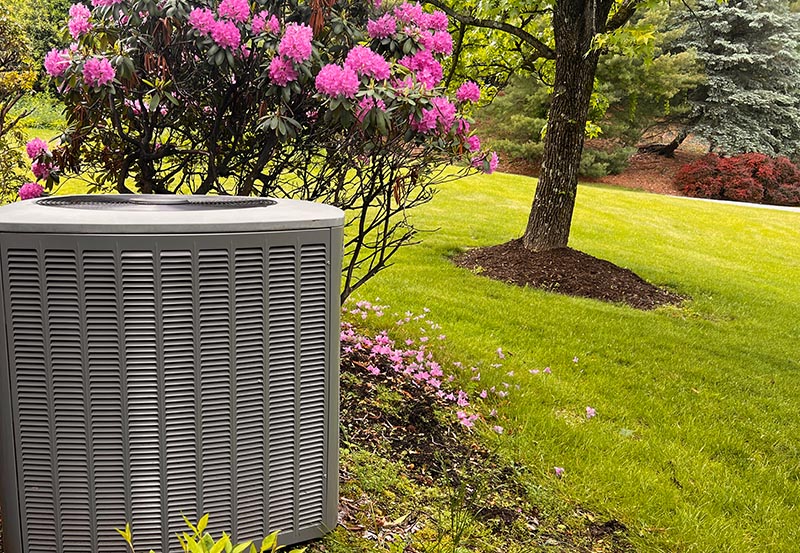
The sun is out, the weather is perfect, and the trees are starting to bloom. Spring is officially here! And because we’re a month or two away from the first real heatwave hitting (if we’re lucky), nearly every homeowner asks the same question: “Do I really need to pay for an AC tune-up…
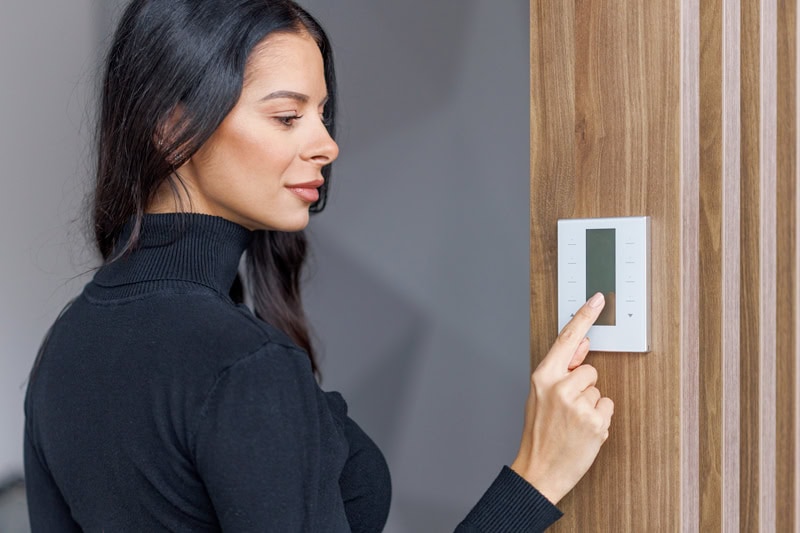
Everyone wants to save money on heating bills, especially when the winter temperatures start to drop. We love helping homeowners’ lower energy costs without skimping on comfort. One of the questions we often hear from our customers is, “Is it okay to turn the heat off when I leave the house and then…

Most furnaces and heat pumps rarely quit without warning. Common signs your heating system needs repair include unusual noises, weak airflow, rising energy bills, short cycling, inconsistent temperatures, and strange odors. Ignoring these early symptoms can lead to sudden breakdowns, higher repair costs, and uncomfortable indoor conditions. You know that feeling when your heating…
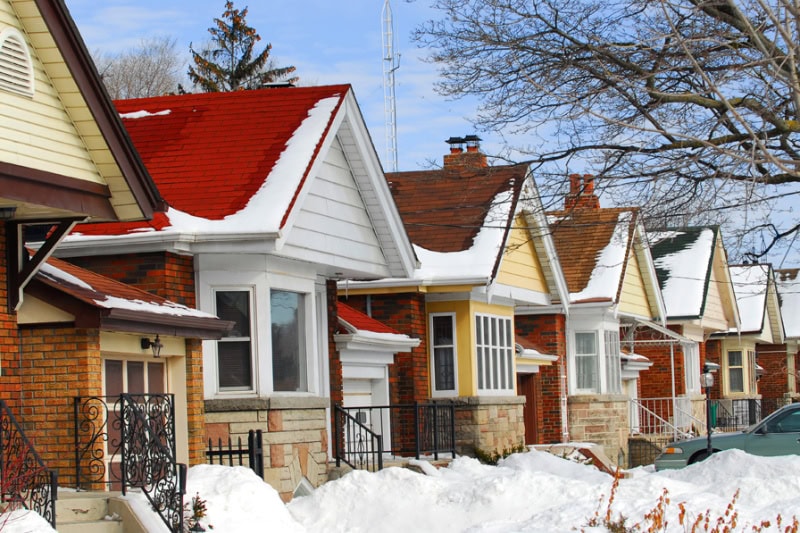
Winterizing your HVAC equipment isn’t just part of a desirable to-do list; it’s a must-do to keep your heater running efficiently and your home feeling cozy. Not to mention, a little prep work now can help you avoid mid-winter breakdowns and keep that energy bill in check!
There is nothing scarier than switching your furnace on in the fall and catching a whiff of something burning.